


Underrated Horror K-Dramas Netflix Buried

These horror K-dramas deserve more attention but got buried by Netflix's algorithm. Our pick of underrated finds.
Netflix has roughly four hundred Korean titles and shows you the same eleven. I know this because I have scrolled the horror row until my thumb cramped, and it was still offering me Sweet Home like we hadn't already discussed this in 2020.
Meanwhile there are shows sitting in that exact catalogue with no thumbnail, no banner, no push notification — plus a whole shelf of Korean horror that Netflix never licensed at all, which is arguably worse.
Nobody decided these were bad. They just didn't test well against a recommendation engine that has concluded I want zombies forever.
Eight worth digging for. If you'd rather start with the canon, the full genre roundup lives in 10 Horror K-Dramas That Will Haunt You Long After Watching.
Why Great Horror K-Dramas Get Buried by Netflix's Algorithm
A show doesn't vanish because it flopped. It vanishes for boring structural reasons:
- Episode length confuses the machine. A six-episode series with fifteen-minute installments doesn't fit the "binge one weekend" slot, so it gets filed nowhere and shown to no one.
- Cable and streaming originals compete on different maps. OCN, tvN, and JTBC produced most of the genre's best work between 2017 and 2021. Those shows went to Viki, TVING, or nowhere at all internationally — which is how an overlooked K-drama can be beloved in Korea and functionally invisible everywhere else.
- Genre tagging is a mess. Horror that's also a family drama, or a comedy, or a procedural gets sorted by its least interesting attribute. Half these titles are tagged "Mystery" and left to rot.
- No star, no push. A hidden gem K-drama with an ensemble of character actors and no idol lead gets a fraction of the marketing budget, and the algorithm only amplifies what already has momentum.
Translation: the Netflix algorithm buried these because they were hard to categorize, not because they were hard to watch.
If you want the top tier of the genre first — the shows that did break through — that's covered in Best Psychological Horror K-Dramas Ranked.
The Ranked List
8. Goedam (2020 · Netflix)
An anthology of short urban-legend horror stories set in modern Seoul: a woman alone in a subway car at night, a convenience store on the wrong shift, a stairwell in an apartment block. Each episode is a self-contained scare running about ten to fifteen minutes, with no recurring characters and no explanations offered. It's sitting on Netflix right now and almost nobody has heard of it, because the format looks like a mistake in a menu built for feature-length rows.
Best watched: one at a time, as a nightcap. The whole run is shorter than a movie.
7. The School Nurse Files (2020 · Netflix)
Ahn Eun-young is a school nurse who can see "jellies" — translucent blobs that grow out of human desires and cling to people, occasionally with fatal results. She hunts them with a plastic light-up sword and a BB gun, assisted by a Chinese-language teacher whose family founded the school and whose presence recharges her. It's horror crossed with deadpan comedy, styled like a fever dream, and it split viewers hard. Give it two episodes before deciding.
Best watched: when you want something strange rather than something scary.
6. Happiness (2021 · tvN, Viki / Prime Video in select regions)
A new luxury high-rise, a mixed-income building where the mortgage-holders already resent the rental tenants, and a lockdown after a drug trial produces an infection that makes people crave blood. The residents are sealed inside with a limited food supply and each other. The infected are a problem; the co-op meeting is the horror. Han Hyo-joo plays a police officer holding the floor together and it's the most fun anyone has had with a quarantine premise.
Best watched: if you have ever lived in a building with a group chat.
5. The Cursed (2020 · tvN, Viki / Netflix in select regions)
A high-school girl can kill anyone if she has three things: their name, their photograph, and an object they've touched. A journalist investigating a powerful IT company discovers the CEO is using the girl to eliminate obstacles. Twelve episodes, brutally efficient, and it treats its curse mechanics like a legal thriller treats evidence. The finale is divisive and I'll defend it anyway.
Best watched: with your phone face-down, for reasons that become clear.
4. The Frog (2024 · Netflix)
A man runs a quiet lakeside guesthouse in the off-season. A young woman checks in, pays cash, refuses to leave, and methodically dismantles his life without ever raising her voice. The story runs across two timelines twenty years apart, following two different men who made the same mistake of letting her stay. A Netflix original that got a launch-week banner and then evaporated — genuinely upsetting, genuinely underrated Korean horror.
Best watched: not before a trip involving accommodation.
3. Possessed (2019 · OCN, Viki)
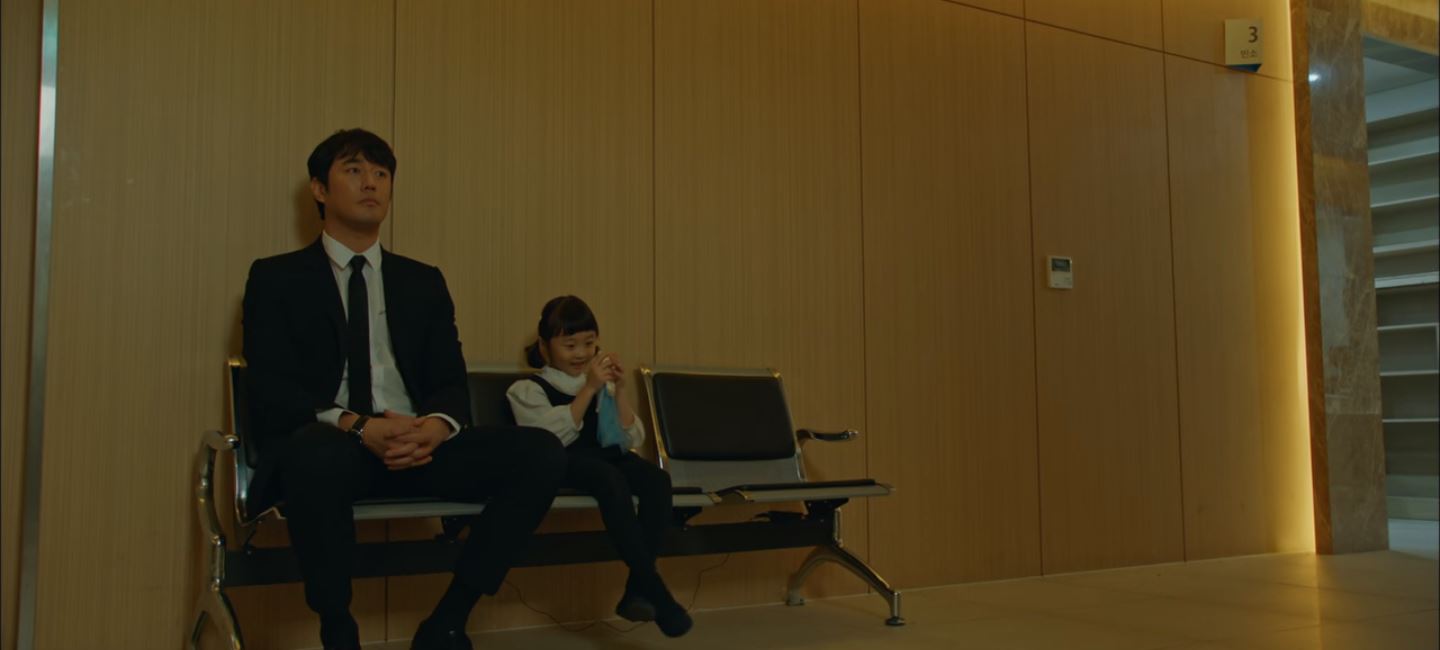
A serial killer was executed twenty years ago. His spirit is now hopping between bodies and finishing the work. A gruff detective is paired with a woman who has seen ghosts since childhood and would very much prefer not to, and their partnership is the whole reason the show works — it's funny in the gaps between the deeply unpleasant parts. The possession scenes are done with acting and camera work rather than effects budget, which is why they still land.
Best watched: if you liked The Guest and assumed there was nothing else like it.
2. Missing: The Other Side (2020 · OCN, Viki / Netflix in select regions)
There is a village that doesn't appear on maps, populated by the souls of missing people whose bodies were never found. They can't move on until someone locates their remains. A con man stumbles into it, discovers he's the only outsider who can see them, and starts working cases on their behalf. It's a horror premise used for something closer to grief — every episode is a cold case with the victim explaining it themselves.
The rare show that makes you cry twice and check the locks once.
Best watched: when you can handle sad. It gets very sad.
1. Save Me (2017 · OCN, Viki)
A family moves from Seoul to a small provincial county after the father's business collapses. Isolated, broke, and grieving, they're absorbed by a local religious group called Guseonwon and its "Spiritual Father," and the daughter is progressively cut off from anyone who could help her. Four young men she barely knows hear her ask for help and spend the series trying to get her out. No ghosts, no gore — just the mechanics of coercion filmed with total clarity.
Best watched: immediately. This is the most criminally overlooked K-drama on the list and Netflix never even licensed it.
How to Find More Hidden K-Drama Gems Yourself
The rows are not the catalogue. A few things that work:
- Search by title, not by browsing. Netflix hides plenty of titles from your homepage that it will happily play if you type the name. Keep a notes file and search directly.
- Follow networks, not platforms. OCN is the horror workhorse; tvN and JTBC handle the prestige end; TVING carries newer Korean originals. Searching a network name alongside "horror" surfaces far more than any genre row.
- Use MyDramaList as a database. Filter by genre, year, and country, then sort by rating rather than popularity. The gap between "highly rated" and "widely watched" is exactly where the good stuff lives.
- Follow writers and directors. If a show wrecked you, look up who wrote it. Genre writers in Korea have distinct fingerprints and tend to work in the same register repeatedly.
- Check Viki and Prime before giving up. Most pre-2022 cable horror never reached Netflix internationally. Viki has the deepest back catalogue, some of it behind a paid pass.
- Read reviews on r/KDRAMA rather than aggregate scores. Fan communities surface buried titles months before any platform does.
One habit change beats all of it: stop scrolling and start searching. The homepage is a sales pitch. The catalogue is a library.