


7 Game-Changing Ways The Dark Knight Redefined Superhero Cinema, Ranked
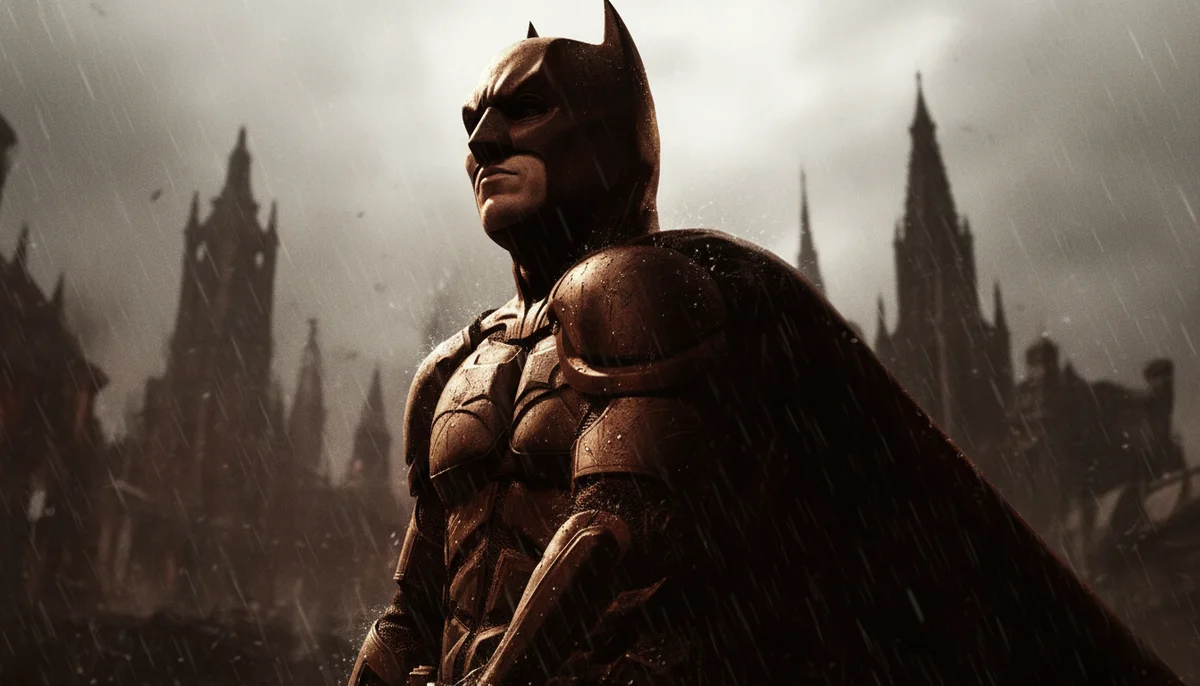
In 2008, The Dark Knight blew up the superhero playbook, as Christopher Nolan turned a follow-up to Batman Begins into a hard-edged crime saga that restored Batman’s Detective Comics roots and reset the genre’s bar.
Every so often, a movie comes along that kicks the door in and rewrites the playbook. In 2008, Christopher Nolan did that with The Dark Knight. It wasn’t just another cape-and-cowl sequel to Batman Begins; it played like a bruised, street-level crime saga that happened to star Batman. Seventeen years later, the thing still casts a long shadow over how studios approach comic book stories.
For the record: The Dark Knight (2008) is directed by Christopher Nolan and stars Christian Bale, Michael Caine, Heath Ledger, Gary Oldman, Aaron Eckhart, Maggie Gyllenhaal, and Morgan Freeman. It runs 2 hours and 32 minutes, sits at 9.1/10 on IMDb and 94% on Rotten Tomatoes, and is currently streaming on HBO Max.
How The Dark Knight reset the genre
-
It made moral clarity feel naive (by design)
The movie refuses to hand out easy answers. Batman doesn’t end the story bathed in praise; he eats Harvey Dent’s crimes to preserve Gotham’s faith in its white knight, fully accepting that the city will hate him for it. The Joker’s whole strategy isn’t conquest, it’s corruption, and he succeeds by breaking the spirit of someone genuinely good.The ethical traps are built to sting. The ferry standoff forces characters (and the audience) into a no-win scenario where there isn’t a clean 'right' choice, only fallout. Even the Joker’s morality-test approach shreds the old good-vs-evil binary. That appetite for grey space cracked the door open for later projects like Logan, Captain America: Civil War, and The Boys.
-
It treated a superhero movie like a hard-edged crime thriller
Nolan dials in on organized crime, corruption, and urban rot, channeling the heat and precision of, well, Mann’s Heat. Gotham feels like a real, cracked city instead of a neon funhouse, and the opening bank heist sets the tone immediately.Once that approach blew up, everyone tried to get 'gritty' and 'grounded.' Not all those copycats worked, but The Dark Knight proved you could ditch the camp, tone down the fantasy gloss, and still make the thing hit like a truck. For about a decade, this was the tone studios chased.
-
It ditched the textbook origin crutch
No recap, no hand-holding. Batman’s already in motion; Gotham’s already mutating around him. And the Joker? No origin. He intentionally muddies his past with multiple scar stories, all of them untrustworthy. Not answering the why made him scarier.That choice paid off and changed the math for big franchises. Suddenly it was fine to introduce a hero midstream, like Spider-Man dropping into Captain America: Civil War or Batman showing up in Batman v Superman without rerunning familiar beats.
-
It turned capes into modern political allegory
Released in a post-9/11 climate, the film picked at live wires: terrorism, surveillance, and the cost of safety. Batman builds a citywide phone sonar to catch a terrorist; Lucius Fox calls it out as an ethical line-crossing even as it works. That’s a straight mirror of debates around the Patriot Act and NSA surveillance.The movie keeps asking ugly questions: How much freedom do you trade to feel secure? When is breaking the law to save lives actually justified? Later hits like The Winter Soldier and Black Panther took notes.
-
It rewrote the supervillain rulebook
Pre-Ledger, a lot of comic-book baddies were loud, simple, and there to be punched. Ledger’s Joker wants chaos, not cash, and he goes after Batman’s beliefs more than his face. He drags Bruce, Dent, and the entire city into impossible choices designed to expose how fragile morality is under pressure.By the end, Joker wins the ideological war: Dent is ruined, and Batman has to shoulder the lie. Batman’s intervention leads to Dent’s death, which is exactly the kind of moral collapse Joker was engineering. After this, your villains needed a viewpoint and a philosophy — see Thanos, Killmonger, even Loki — not just a lair.
-
It proved the 'serious' version could make obscene money
Expectations were modestly pegged to Batman Begins. Instead, The Dark Knight crashed through the billion-dollar ceiling worldwide — the first superhero film to do it. For comparison, earlier heavy hitters like Sam Raimi’s Spider-Man topped out around $823–825 million globally.That haul told studios that an intense, adult-leaning take didn’t have to be niche. It fed confidence across the board and helped supercharge the push for shared-universe plans on both sides of the aisle. You didn’t need a quip every five minutes or a bright suit to pack theaters — you needed storytelling that landed.
-
It literally changed the Oscars
Before 2008, the Academy mostly patted superhero films on the head with tech trophies. The Dark Knight crushed with critics and audiences and still missed a Best Picture nod, and the backlash was ferocious.The result: the Academy expanded Best Picture from five nominees to as many as ten the very next year, explicitly to make room for big, artistically muscular movies that the old system shrugged off. The Dark Knight didn’t get that nomination, but it forced the door open so others could.
Two quick reality checks that make the film even more interesting now: it still shapes how studios think about tone and stakes in comic book worlds, and it’s one of the rare blockbusters that got more influential as it aged.
What’s your favorite thing The Dark Knight changed — the moral messiness, the crime-thriller vibe, or Ledger’s everything?
The Dark Knight is currently streaming on HBO Max.