


Warner Bros Risks Losing Christopher Nolan for Good After Netflix Deal
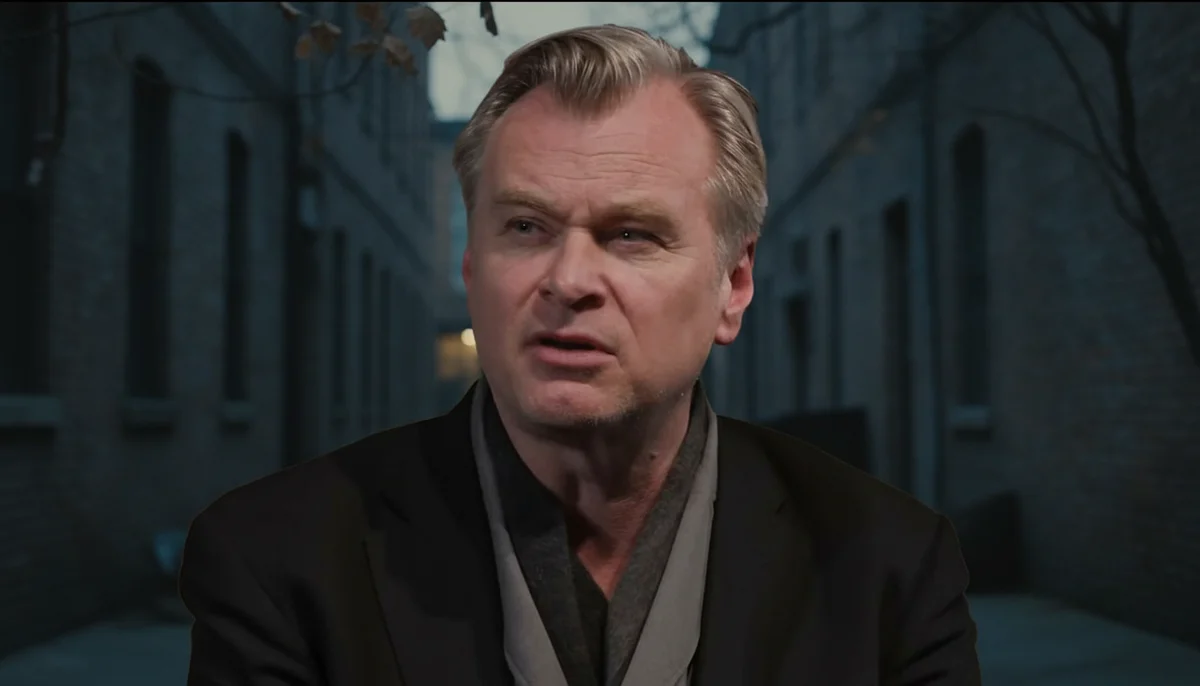
Once Hollywood’s most bankable duo, Warner Bros. and Christopher Nolan are now on the outs—an unraveling that traces back to the studio’s 2020 day-and-date gamble, which clashed with the director’s theatrical-first ethos after a run of hits from The Dark Knight trilogy to Dunkirk.
Christopher Nolan and Warner Bros. used to be joined at the hip. Now they are very much not, and the reasons go back to 2020. Toss Netflix into the conversation and it gets even messier. Let’s lay it out clearly, minus the spin.
How the WB-Nolan relationship unraveled
- For years, WB backed Nolan with big budgets and bigger swings: The Dark Knight trilogy, Inception, Interstellar, Dunkirk. Unconventional storytelling, massive scale, all of it.
- Then came 2020. WB rolled out a day-and-date strategy, dumping its entire slate on streaming the same day as theaters. To Nolan, that read like a shot at movie theaters themselves.
- Leadership at WB eventually changed and made overtures to bring him back. He didn’t bite. He set up shop at Universal Pictures instead.
- You may have seen chatter that Netflix has 'acquired' Warner Bros. To be clear: there is no completed Netflix-WB acquisition. If a deal like that ever happened, the WB brand could plausibly continue under a parent company (think 20th Century Studios under Disney, or MGM under Amazon). But right now, that scenario is hypothetical, not reality.
Nolan vs. Netflix, in his own words
Nolan has never been shy about how he feels about Netflix’s theatrical posture. Back in 2017, he took aim at the streamer’s release strategy:
'Netflix has a bizarre aversion to supporting theatrical films. They have this mindless policy of everything having to be simultaneously streamed and released, which is obviously an untenable model for theatrical presentation. So they’re not even getting in the game, and I think they’re missing a huge opportunity.'
He’s fine with a traditional 90-day theatrical window and has pointed to Amazon Studios as a better example of how a streamer can play nice with theaters. Meanwhile, industry reporting has suggested Netflix is considering a 17-day window on some titles. If that ever becomes the norm, it’s still a far cry from the robust theatrical exclusivity Nolan prefers.
Would he ever make a Netflix movie? And could he return to WB?
Nolan shoots for IMAX and 70mm because he builds movies to be experienced in theaters. That’s not a performative protest; it’s his operating system. When someone asked if he would make a film for Netflix, his answer was short and not exactly ambiguous:
'No. Well, why would you?'
This is where the WB question gets tricky. Nolan isn’t loyal to a logo; he’s loyal to a philosophy of distribution and control. Even if the Warner Bros. name remains on the lot under some bigger umbrella, if the parent company’s strategy prioritizes streaming over theatrical, that’s a non-starter for him. New WB leadership tried to mend fences, but Nolan stuck with Universal. Unless the release playbook shifts back to long theatrical windows with filmmaker-friendly terms, a Nolan-WB reunion feels unlikely.
Short version: if theaters are the point, Netflix’s playbook (as it stands or as rumored) isn’t. And that keeps Nolan exactly where he is.