


Supernatural Horror K-Dramas: Curses, Ghosts, and Korean Folklore

From ancestral curses to Korean folklore, this K-drama roundup delivers real scares — not romance.
Western horror ghosts want you dead. Korean horror ghosts want you to understand something, and they will stay in your stairwell for two hundred years until you do.
That's the difference, and once you notice it you can't stop noticing it. A vengeful spirit in a Korean drama has a filing system: a grievance, a paper trail, usually a person who got away with something. The scares land harder because the logic is airtight — nobody is haunted at random. Somebody always did something.
Ten shows built on that principle, ranked. For a wider net across the whole genre, there's 10 Horror K-Dramas That Will Haunt You Long After Watching. If your taste runs to human monsters instead of supernatural ones, that's a separate list: Best Psychological Horror K-Dramas Ranked.
Why Korean Folklore Makes for Uniquely Unsettling Horror
Folklore-based horror works here because the source material was never designed to comfort anyone. A few reasons it hits differently:
- The dead have paperwork. Korean ghost lore runs on han — accumulated grievance that outlives the body. A gwisin doesn't drift around moaning. She has a specific complaint and a specific address, and the drama's plot is basically her case file.
- The shaman is a professional, not a punchline. In most of these shows the mudang is the only competent person in the room. She charges money, she has a lineage, she does a gut ceremony with the same energy a contractor brings to a load-bearing wall. Treating her as a serious expert makes the supernatural feel procedural, and procedural is scarier than mystical.
- Curses have terms and conditions. A curse drama needs rules: a name, a photograph, an object that touched your skin. The moment the audience learns the mechanism, every stray receipt and stolen hairbrush becomes a threat.
- The monsters were never cute. The gumiho spent centuries in oral tradition as something that ate people's livers before the 2000s dressed her in a trench coat. The horror versions remember this.
The genre's real trick: it doesn't ask you to believe in ghosts. It asks whether the people around you have done anything worth being haunted for.
Ranked List — Curses, Hauntings, and Folklore Horror
10. Sell Your Haunted House (2021 · KBS2, Viki)
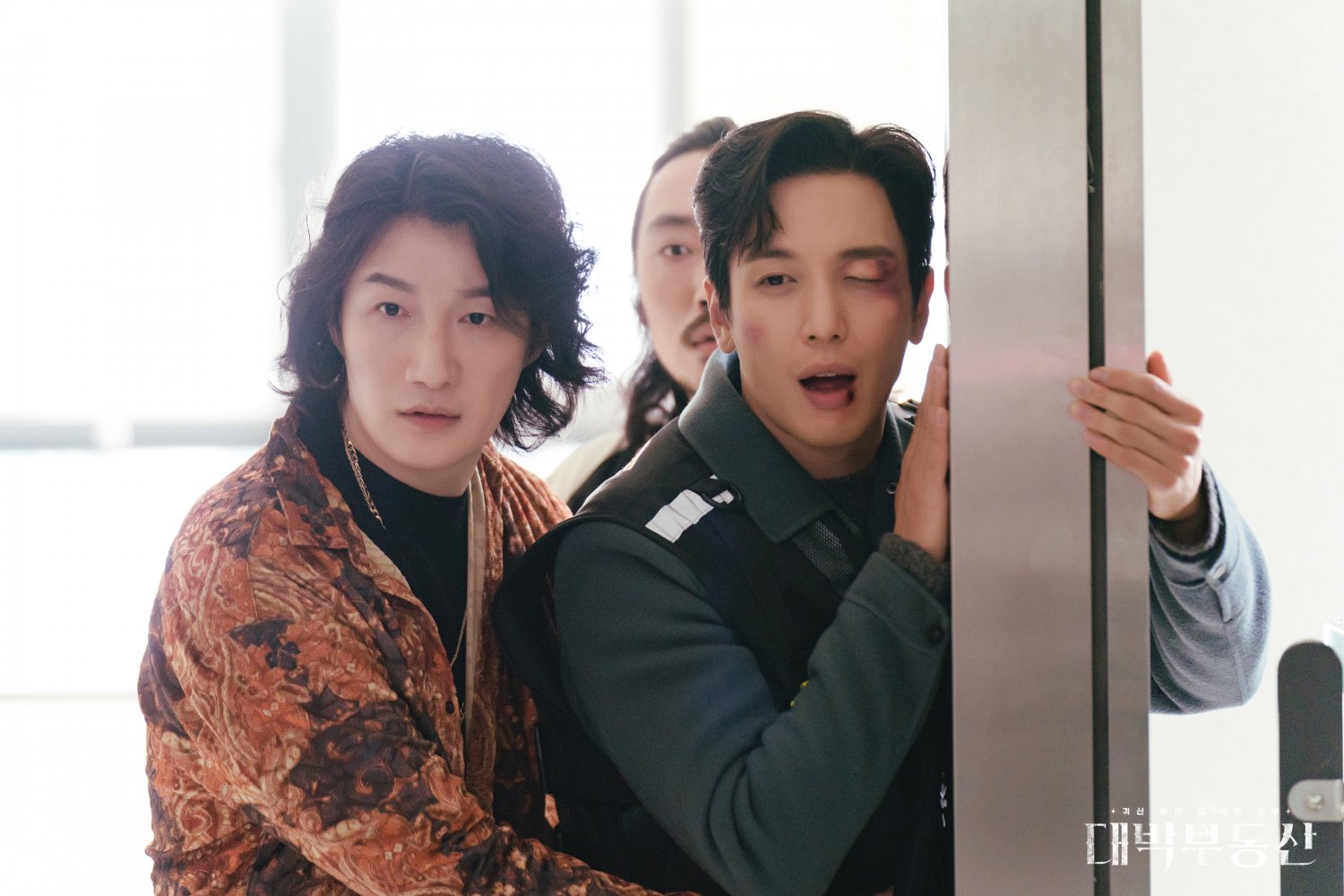
An exorcist who works in real estate, which is either the funniest or bleakest job description in the genre. Jang Na-ra clears grudge-holding spirits out of properties so they can go back on the market, assisted by a con man with excellent hair. It's the lightest thing on this list and still manages a couple of genuinely upsetting cases — the ghosts here died in ways that are recognizably, depressingly ordinary.
The lore it runs on: grudge spirits bound to a location until someone acknowledges what happened there.
9. The Uncanny Counter (2020 · OCN, Netflix)
Demon hunters running a noodle shop as a front, powered by spirits from the afterlife. More action than horror, and the villains are corrupt humans as often as they're evil spirits. It's on the list because it's the easiest entry point in the whole subgenre — the folklore is intact, but you can watch it while eating.
The lore it runs on: possession as partnership, with the dead borrowing bodies to finish unfinished business.
8. Island (2022–2023 · TVING, Prime Video in select regions)
Jeju Island, ancient evil, a bodyguard who has been alive far too long, and an exorcist priest played by an idol, which tells you exactly which audience the casting director had in mind. The mythology is dense and the pacing wobbles, but the island setting does enormous work — folk horror needs a place with its own rules, and Jeju has centuries of them.
The lore it runs on: regional Jeju myth, sealed demons, and a cycle that keeps resetting.
7. Tale of the Nine Tailed (2020 · tvN, Viki / Prime Video)
The gumiho show, and the one that reminded everyone that a nine-tailed fox is not a romantic lead by default. Lee Dong-wook plays a mountain spirit who hunts other supernatural creatures, and the series pulls freely from myth: the Imoogi, the underworld ferryman, a whole bureaucracy of the afterlife with staff and grudges. It flirts with romance and then remembers it has a body count.
The lore it runs on: the gumiho, plus roughly nine other creatures from Korean myth working retail jobs.
6. Bulgasal: Immortal Souls (2021–2022 · tvN, Netflix)
Six hundred years of curse, reincarnation, and a man who cannot die and would like to file a complaint about it. Bulgasal is slow, gloomy, and beautifully miserable — it's less interested in scaring you than in making you feel the weight of a punishment that outlasts everyone who deserved it. Divisive among viewers. I'm on the pro side.
The lore it runs on: the bulgasal, a creature from folk tradition that feeds on blood and cannot be killed.
5. Possessed (2019 · OCN, Viki)
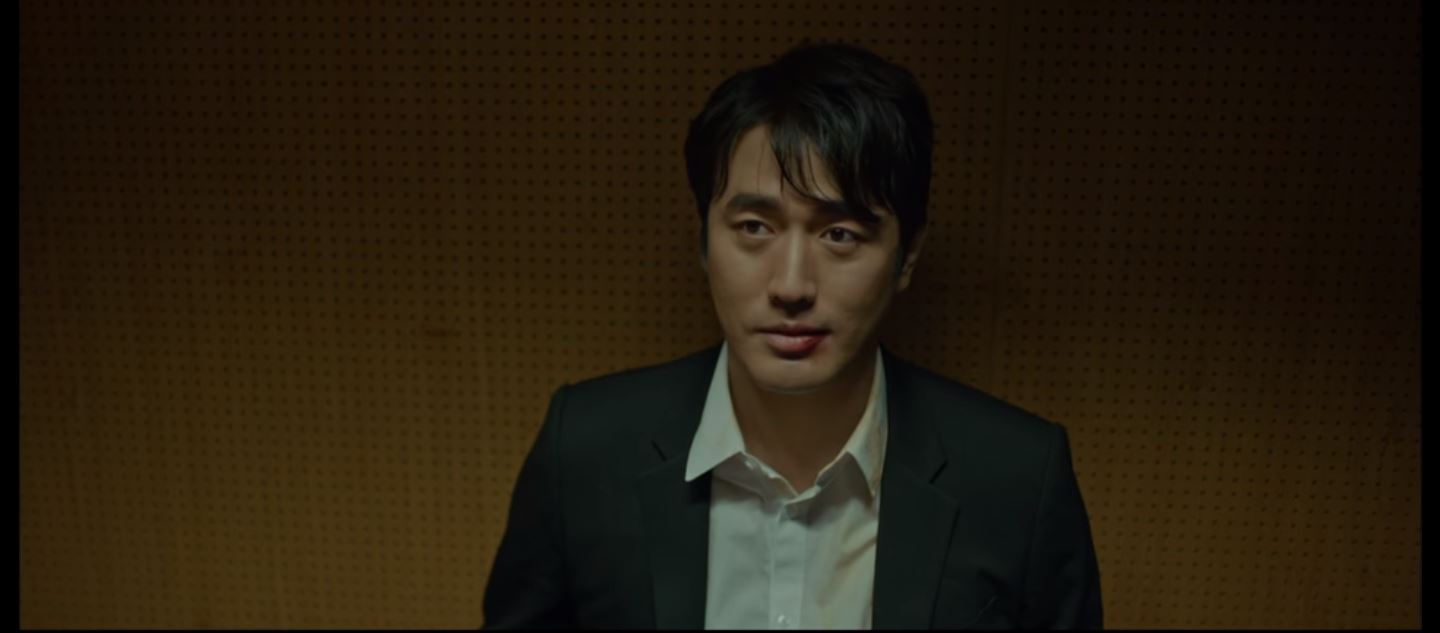
A detective and a psychic woman chase the spirit of an executed serial killer who keeps borrowing bodies. It's a straight procedural with a supernatural engine, and the strength is tone: nobody in this show is impressed by the paranormal, they're just tired. The killer's spirit is genuinely repellent, which is harder to pull off than it sounds.
The lore it runs on: possession, spirit mediums, and the idea that malice survives the body cleanly.
4. Monstrous (2022 · TVING, Viki / Paramount+ in select regions)
An excavated Buddha statue arrives in a small town and people start dying in ways that look like mass hysteria until they very much don't. Six episodes, directed with Yeon Sang-ho's usual interest in how quickly a community will organize around a catastrophe. The visuals are the roughest of anything here, and the concept carries it.
The lore it runs on: cursed relics, and the folk-horror rule that dug-up things should have stayed buried.
3. The Cursed (2020 · tvN, Viki)
A teenage girl can kill you if she has three things: your name, your photograph, and something that touched your body. That's the entire premise and it's terrifying, because those three items are trivially easy to obtain and you have already handed all of them to at least forty companies. Pair her with an investigative journalist against a corporation with its own occult consultant and you get the most quietly modern curse drama on this list.
Every social media profile you own is a starter kit for this show's murder method. Enjoy.
The lore it runs on: sympathetic magic and shamanic curse mechanics, updated for the data economy.
2. The Guest (2018 · OCN, Viki)
A shaman's grandson, a Catholic priest, and a detective versus a demon that has been jumping between hosts in their families for decades. What makes it exceptional is that it takes both belief systems seriously and lets them argue. The possession scenes are brutal, the guilt is heavier than the horror, and the show never once suggests anyone will recover from any of it.
The lore it runs on: Korean shamanic tradition colliding with Catholic exorcism, both fully committed.
1. Revenant (2023 · SBS, Disney+ / Hulu in select regions)
A broke young woman inherits her dead father's belongings and, folded in with them, a malevolent spirit that grants wishes at ruinous interest. Kim Tae-ri switches between the woman and the thing wearing her without a single visual effect helping her. Oh Jung-se plays a folklore professor who reads the case like an academic paper, which turns the whole series into a research project where the findings keep killing people.
Best of all: the horror is economic. The spirit doesn't target the wicked. It targets the desperate, and it always arrives with an offer that a person with money would refuse.
The lore it runs on: gwisin bound to objects, village folk practice, and a very old bargain about wanting things.
How This Differs from Romantic K-Drama Fantasy
Worth drawing a line here, because the algorithm refuses to.
Plenty of beloved shows use identical folklore — goblins, grim reapers, ghost hotels, gumiho — and are not horror. Goblin, Hotel del Luna, and Oh My Ghost all borrow from the same mythology and then use it to build a love story. That's a different genre with a different contract:
- Romantic fantasy treats the supernatural as an obstacle to intimacy. The ghost is lonely, the immortal is sad, the ending is earned catharsis.
- Supernatural horror treats the supernatural as a consequence. The ghost is owed something, the immortal is being punished, and the ending is usually a cost someone has to pay.
Neither is better. But if you go into Bulgasal expecting Goblin, you will have an unpleasant evening, and if you go into Hotel del Luna expecting Revenant you'll wonder why everyone is so well-dressed.
For the middle ground — supernatural premises with warmth, humor, and a survivable body count — start with Link: Eat, Love, Kill and 3 Other Best Supernatural K-Dramas to Binge.
Otherwise: pick something from the top three, turn off the overhead light, and try not to think about how many photographs of you exist on the internet.