


3 Smart Post-Transplant Moves for Giant, Meaty, Crack-Free Tomatoes
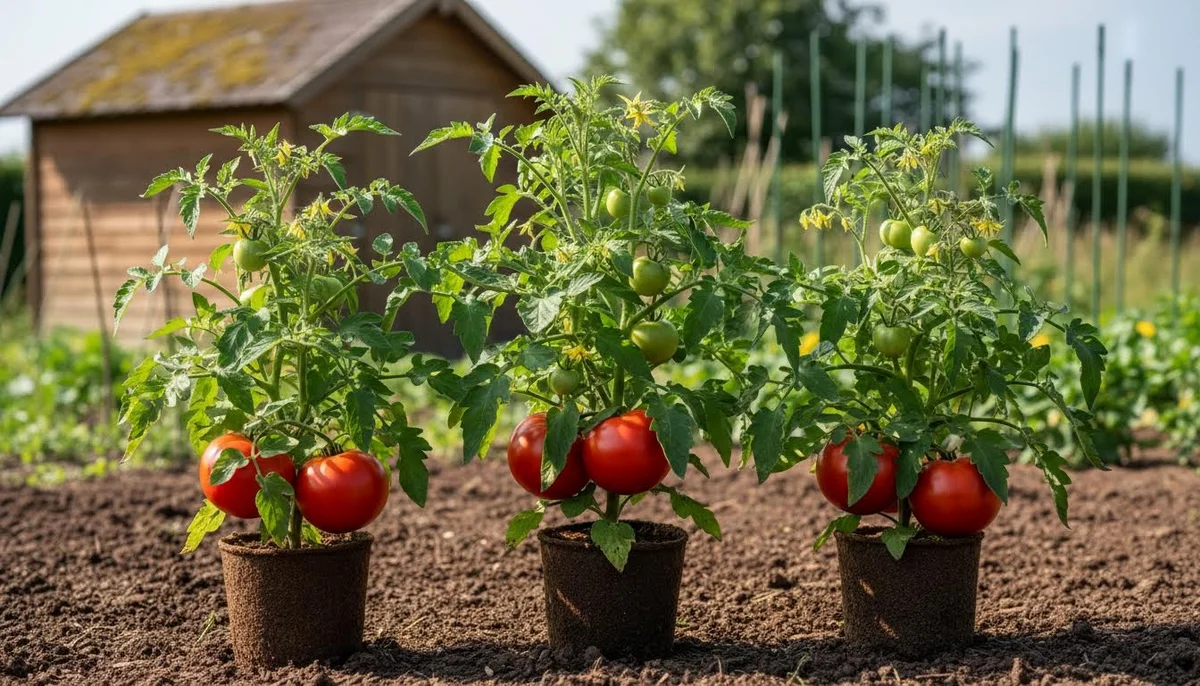
From pot to plot, a proven routine helps tomato seedlings shrug off transplant shock—and deliver a record harvest.
Transplant day is when tomatoes show you who is boss. Freshly planted seedlings lose water faster than their banged-up roots can replace it, leaves droop, growth stalls, and the whole bed looks offended. Here is the three-step routine I use to pull them through the move and kickstart a bigger, earlier harvest.
- Water with backup right after planting. Mix a root growth stimulator solution and drench the seedlings well. Agronomists recommend using Zircon exactly as directed on the label and adding succinic acid at 1 tablet per 1 liter of water. This combo pushes out lots of fine feeder roots, gets water moving through the plant again, and toughens the tomato’s immune response. The payoff: they bounce back faster and shift into active growth instead of sulking.
- Mulch with freshly cut grass (no seeds) immediately after that first watering. A soft, even layer keeps the soil moist, stops a hard crust from forming, and shields the root zone from overheating. Just as important, it helps block late blight spores from splashing up onto leaves when water hits the soil. Stable moisture and cooler roots equal smoother adaptation.
- Give them shade for the first few days, especially when the sun is bright. Early on, leaves evaporate a lot of water while tender, damaged roots struggle to keep up. Reduce that evaporative demand and the plants settle in much faster. Easiest method: toss row cover or agrofiber over hoops, along greenhouse walls, or even across a few sturdy sticks pushed into the bed.
How this plays out in my beds
I used to lose a chunk of transplants every season. The survivors looked miserable for weeks; some never recovered. Last year I did all three moves, no exceptions: watered with Zircon plus succinic acid, mulched with grass, and kept the seedlings shaded for a few days. The difference was obvious. The tomatoes basically shrugged off the move, pushed fresh growth within a week, and the harvest came in earlier than usual and notably larger.
One last note: set up shade even on overcast days. The sun can punch through without warning and scorch weakened leaves in a couple of hours. It is easier to prevent that hit than to fix it later.
Bottom line: water with support, mulch, and shade. Three simple moves that trade transplant shock for momentum.